
Luleå University of Technology has published new research highlighting the link between digital technology and sustainability in the industry. According to researcher Taylan Kilinc, author of the dissertation, it is not enough to simply implement new technology to achieve ecological, social and economic goals. Industrial actors must also adapt their organisational working methods and coordinate across organisational boundaries.
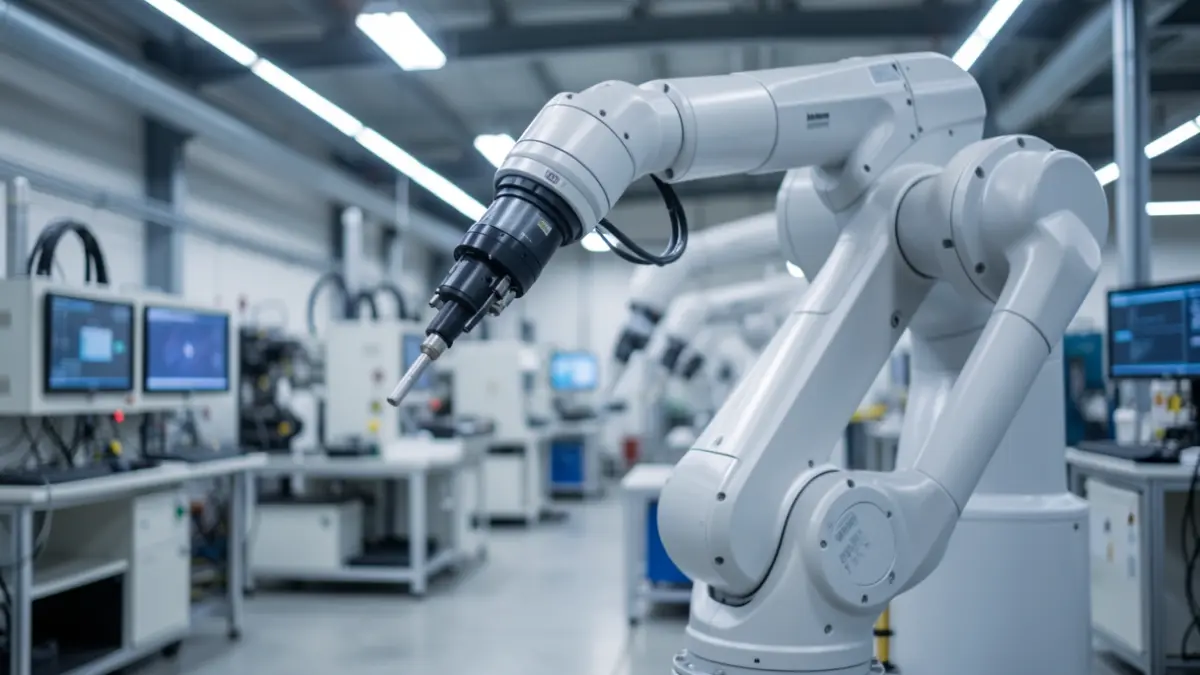
The dissertation focuses on digital servitisation, a development where manufacturers of machinery and equipment increasingly offer digital solutions as part of business relationships. The research shows that technical solutions such as robotics and predictive maintenance can reduce carbon emissions, energy consumption and risky tasks. However, technical innovation is not enough; changes in the working methods of the people using the technology are also required.
Kilinc identifies several barriers to full potential, such as lack of digital competence, outdated routines, unclear division of responsibilities and lack of collaboration between departments. To address these challenges, the dissertation presents a model with three phases. The first phase examines whether digital solutions can create value and sustainability benefits. The second phase integrates solutions into operations and adapts decision-making processes. The third phase involves making successful solutions reusable and adaptable for different customers.
The dissertation contains recommendations for managers, including viewing digitalisation and sustainability as interconnected goals and actively supporting socio-technical coordination. Kilinc also emphasises the importance of finding the right balance between adaptation and standardisation. By standardising reusable parts of solutions, companies can introduce them to different customers while maintaining necessary flexibility.